Snow and Ice at the Dryer Vent Hood: What to Check
Drifting snow and frozen flaps can block a dryer vent in a Colorado winter. How to check the outside hood safely and when the vent itself needs cleaning.
Most people never look at the outside end of their dryer vent. In a Aurora winter, it's worth a glance. Snow can drift against a low wall vent, and the warm, damp air coming out of the dryer can leave the flap stiff or iced in cold weather. Either way, the result is the same: the air your dryer is trying to push out has nowhere to go.
Here's what to look for, how to clear it safely and when a blocked hood is a sign of something more.
Why the outside hood matters
Your dryer pushes hot, moist, lint-filled air through the vent duct and out a hood on an exterior wall or the roof. The hood usually has a flap or louvers that open when the dryer runs and close when it stops, keeping out cold air, rain and animals.
When that flap can't open, airflow drops. The U.S. Fire Administration lists clothes taking longer than usual to dry, or feeling hotter than normal at the end of a cycle, as signs of a blocked vent. Fire safety guidance from the NFPA, published by the U.S. Department of Energy, specifically says to make sure the outdoor vent flap is not covered by snow.
Snow: the obvious one
Low vents near the ground, on the side of the house that collects drifts, or under a roofline that sheds snow are the most likely to get buried. After a storm:
- Find the vent before you need it. If you don't know where yours ends, check now, before the snow arrives.
- Clear a space around it with a brush or your hands. Avoid hitting the hood with a shovel, since it is easy to damage.
- Keep plowed or shoveled snow away from that wall.
- Run the dryer and look. The flap should open while it's running.
If you have a roof vent, don't climb up in winter to check it. Watch for the warning signs inside instead and call a professional if they show up.
Ice and frost on the flap
Dryer exhaust carries a lot of moisture. The Building America Solution Center notes that a typical load sends about a gallon of water out through the vent. On a cold day, some of that moisture can condense and freeze on the hood, especially on a flap that already has lint stuck to it.
What you might notice:
- A flap that's frozen partly or fully shut
- A crust of frost or ice around the opening
- Lint mixed into the ice, which is a sign that lint is building up at the hood
If the flap is iced, let it thaw or gently clear it by hand. Don't pour hot water on it, and don't chip at it with tools. If icing happens over and over, the hood may be clogged with lint, damaged or the wrong type for the location. That's worth having looked at.
What not to do
A few common quick fixes cause more problems than they solve:
- Don't add a screen. The USFA advises against using wire screen over the vent opening because it catches lint.
- Don't tape or prop the flap open. It's there to keep cold air and animals out.
- Don't vent indoors to "save heat." Building codes require dryers to exhaust outside. Indoor venting adds moisture and lint to the house, and with a gas dryer it can let combustion gases in.
- Don't keep re-running loads when drying times get long. That's the signal to check the vent.
A note for gas dryers
If you have a gas dryer, a blocked outside hood is more than a lint problem. A gas dryer's exhaust includes combustion gases, and the vent is how they leave the house. The Consumer Product Safety Commission recommends carbon monoxide alarms on every level of the home and outside sleeping areas. Check that yours are working before winter.
When the vent itself needs cleaning
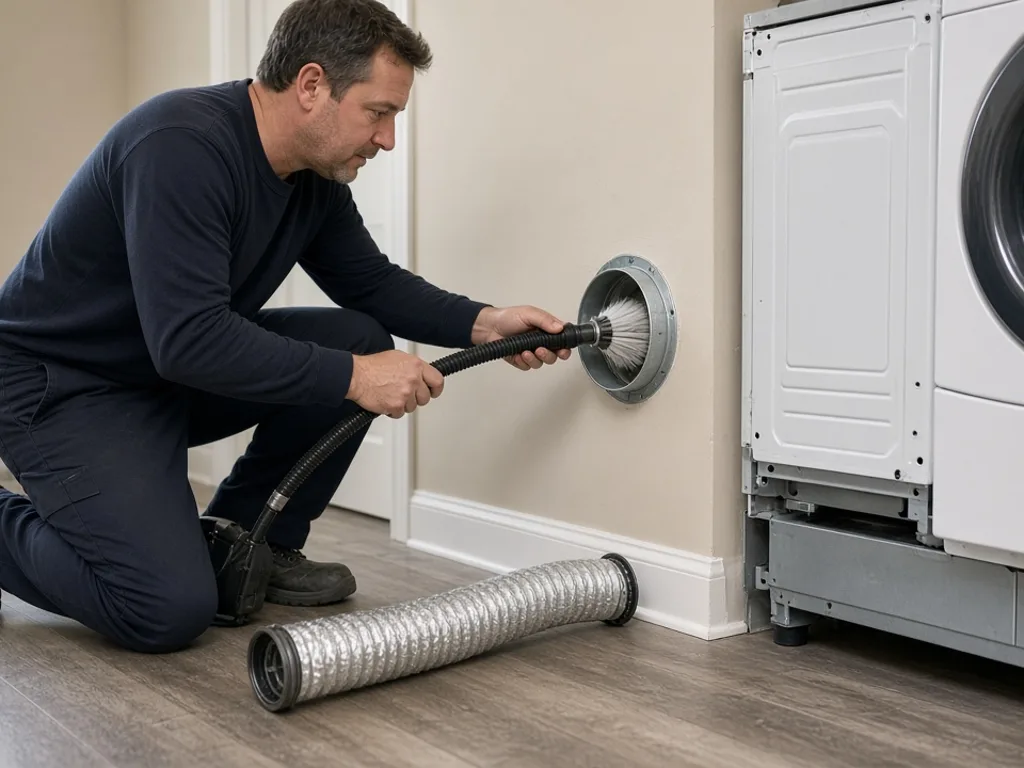
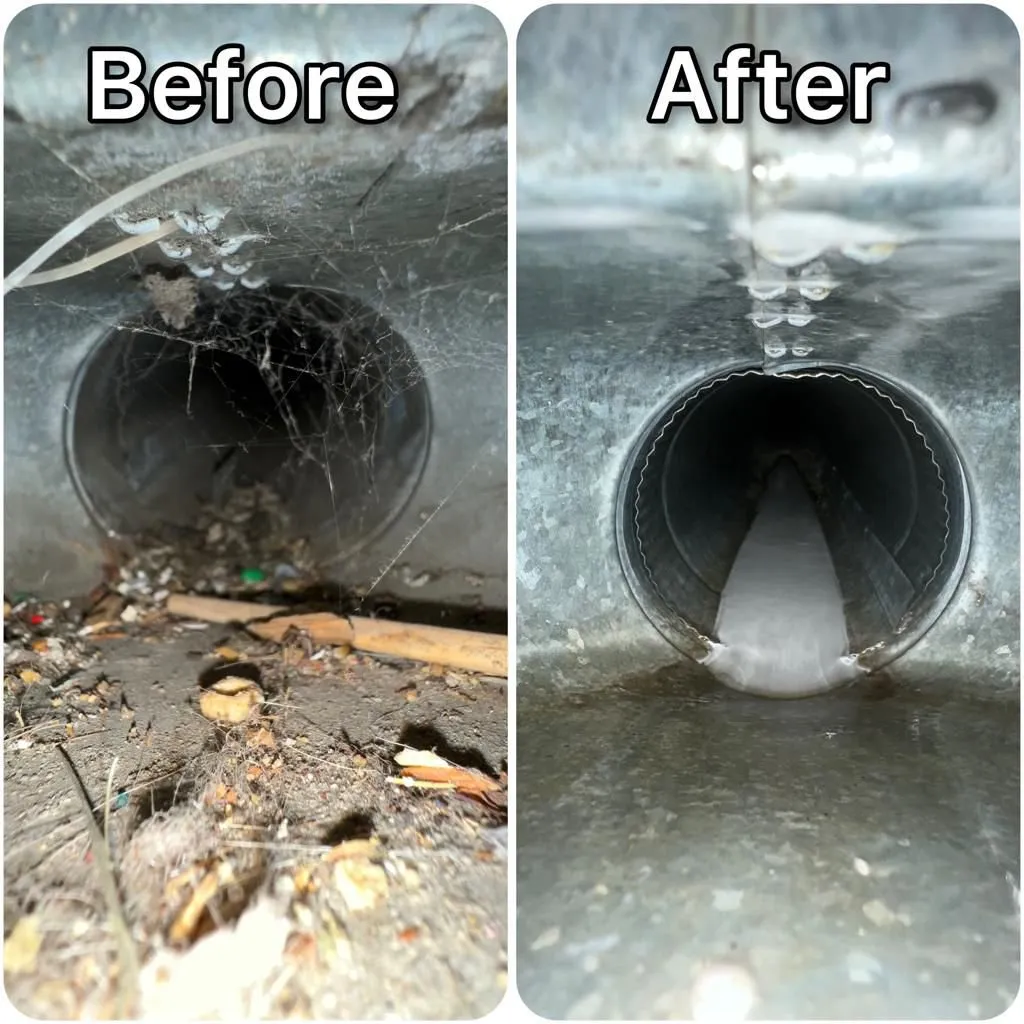
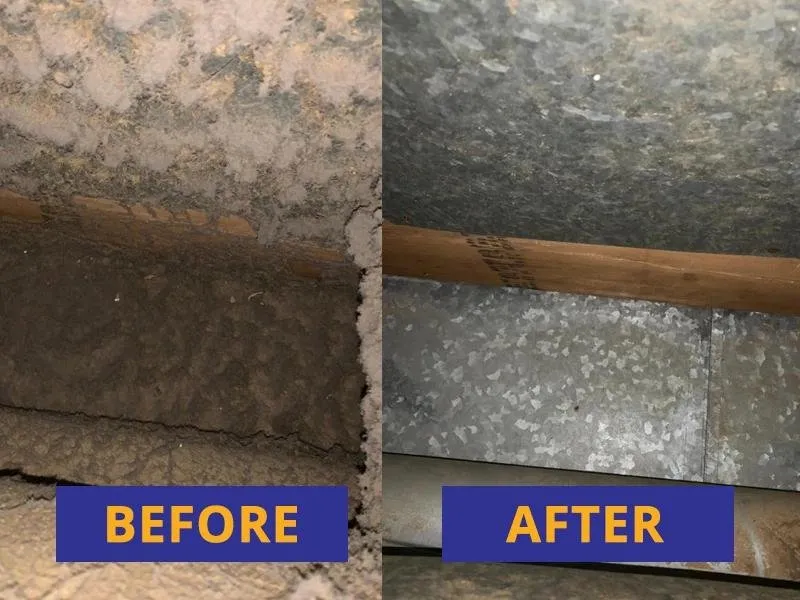
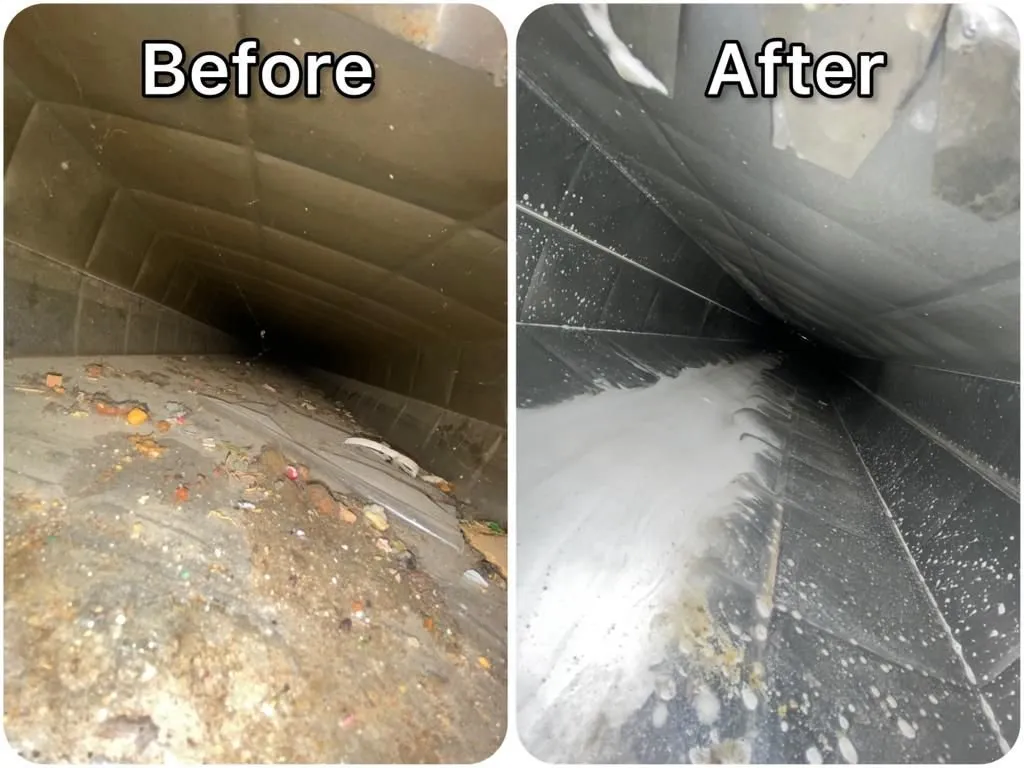
Clearing snow and ice fixes the end of the vent. It doesn't help if lint has built up along the duct between the dryer and the wall. If drying times stay long after the hood is clear, or you see lint packed in the flap, it's time for a cleaning.
Our dryer vent cleaning is $99 for up to 10 feet of vent, plus $15 for each additional foot. The inspection is included, we clean through to the exterior hood, and we check that the outside flap opens and closes properly. The NFPA tip sheet recommends cleaning the vent at least once a year, or more often if drying is taking longer than normal.
See the full list of areas we serve near Aurora.
If you'd like the vent checked before the worst of winter, request a free estimate from American Air Duct Cleaning Aurora. You can also read about other dryer vent fire warning signs.
Sources
- Clothes Dryer Fire Safety, U.S. Fire Administration, accessed October 22, 2026
- Clothes Dryer Fires in Residential Buildings (2008-2010), Topical Fire Report Series Vol. 13, Issue 7, U.S. Fire Administration, August 2012
- Clothes Dryer & Washing Machine Safety, NFPA, published by the U.S. Department of Energy, accessed October 22, 2026
- Carbon Monoxide Fact Sheet, U.S. Consumer Product Safety Commission, accessed October 22, 2026
- Proper Clothes Dryer Venting, Building America Solution Center (PNNL, U.S. DOE), last updated October 7, 2022